 Based on 1200+ Reviews!
Is Your Old Furnace Sending You a Message?
It’s the first cold night of the year. You flip the thermostat to “heat,” and you wait. The vents hiss, something clicks, and then… nothing. Or worse, a burning smell fills the hallway.
Sound familiar? If your gas furnace is 12, 15, or even 20 years old, these moments can feel like a coin toss. Will it start this winter or won’t it? And every time you pay for another repair, you wonder if you’re just throwing good money after bad.
Here’s the thing. Furnace maintenance isn’t only about keeping an old unit running. Done right, it’s how you find out the truth about your furnace, so you can stop guessing. In this guide, you’ll learn what an aging furnace really needs, the warning signs that matter, and a simple way to decide between repair and replacement.
Why Older Furnaces in West Alabama Wear Out Differently
Most furnace advice is written for places like Minnesota, where heat runs for six months straight. West Alabama is different. Our furnaces sit idle most of the year, then get asked to work hard on a handful of cold nights.
That stop-and-start pattern is tough on older parts. A furnace that rests for seven or eight months collects dust on its burners. Spiders and insects like to build in quiet, warm spaces. The flame sensor gets a thin coat of buildup, and the igniter, which is already brittle with age, takes a jolt when it fires up cold.
The Summer Problem Nobody Talks About
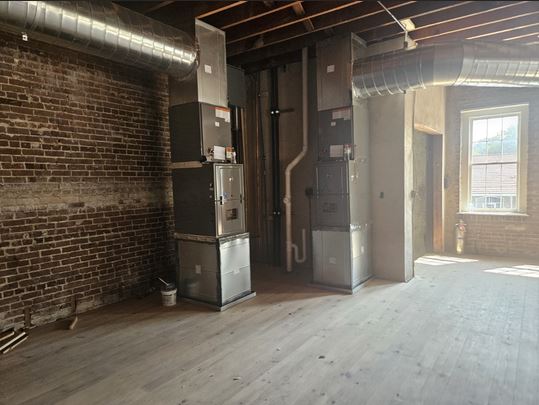
Look, this one surprises a lot of homeowners. In many homes, your air conditioner’s indoor coil sits right on top of your gas furnace. They share the same blower fan, too.
So when your AC runs hard through a Tuscaloosa July, your furnace is still getting wear. The blower motor racks up hours. And if the AC’s drain line clogs, water can drip down onto furnace parts below. Over the years, that moisture can rust burners and other metal parts. By the time cold weather arrives, the damage is already done.
That’s why a furnace in our climate might show its age even if it “barely runs.” It’s not the heating hours that wear it down. It’s everything else.
What Real Furnace Maintenance Looks Like on an Aging Unit
A tune-up on a five-year-old furnace and a tune-up on an 18-year-old furnace should not be the same visit. Older units need a closer look at the parts most likely to fail or become unsafe.
Here’s what a thorough technician checks, and why each step matters more as your furnace ages.
| What Gets Checked | Why It Matters on an Older Furnace | What Happens If It’s Skipped |
|---|---|---|
| Heat exchanger | Metal fatigue causes cracks over time | Risk of carbon monoxide entering your home |
| Burners and flame | Dust, rust, and debris build up in idle months | Uneven heat, delayed ignition, loud “booms” at startup |
| Flame sensor | Gets coated with buildup each season | Furnace starts, then shuts off within seconds |
| Hot surface igniter | Grows brittle with age and heat cycles | No heat on the coldest night |
| Blower motor and capacitor | Shared with your AC, so it wears year-round | Weak airflow, overheating, motor failure |
| Gas pressure and connections | Fittings can loosen over the years | Poor efficiency or a gas leak |
| Venting and flue | Rust, blockages, or nests | Exhaust gases backing up into the house |
| Safety switches | Older switches can stick or fail | Furnace runs unsafely or won’t run at all |
| Electrical connections | Loose wires heat up and corrode | Control board damage and costly repairs |
You might feel overwhelmed looking at that list. That’s okay. You don’t need to know how to do any of it. You just need a technician who does all of it, and then tells you plainly what they found.
The Part You Can Do Yourself
There’s one job that’s yours: the filter. A clogged filter makes an old furnace run hot and work harder. Check it monthly during heating season, and change it when it looks gray.
That’s about it for DIY. The exception is if you’re comfortable vacuuming dust from around the outside of the unit with the power off. Leave anything involving gas, flame, or wiring to a licensed pro.
The Warning Signs That Mean It’s Time to Pay Attention
Some furnace quirks are harmless. Others are your furnace waving a red flag. Here’s what matters most on older units.
A yellow or flickering flame, instead of a steady blue one, can point to a combustion problem. Soot around the furnace or vents is another bad sign. If anyone in your home gets headaches, dizziness, or nausea that eases when they leave the house, get out and call for help. That can be a sign of carbon monoxide.
Then there are the slower signs. Your gas bill creeps up even though you haven’t changed your habits. Some rooms are toasty while others stay chilly. The furnace cycles on and off more than it used to. And you’ve called for a furnace repair more than once in the past two years.
It’s frustrating when repairs start stacking up. But here’s what matters: each of these signs is information. Good maintenance collects it, so your decision is based on facts and not fear.
Safety first: Every home with a gas furnace should have working carbon monoxide detectors, especially near bedrooms. Test them when you change your clocks.
Repair or Replace? A Simple Way to Decide
This is the question that keeps people up at night. Nobody wants to replace a furnace that had years left. And nobody wants to sink $800 into a unit that dies next winter.
Want to know the secret? Many HVAC pros use a quick rule of thumb. Multiply your furnace’s age by the cost of the repair. If the number is over $5,000, replacement usually makes more sense. A 16-year-old furnace with a $400 repair comes out to $6,400. That’s a strong hint it’s time.
Another simple guide is the 50% rule. If a repair costs half or more of what a new furnace would cost, replacing is often the smarter move.
| Furnace Age | Typical Situation | What Usually Makes Sense |
|---|---|---|
| Under 10 years | Most parts still in good shape | Repair, and keep up yearly maintenance |
| 10–15 years | Repairs becoming more frequent | Repair small issues; start planning and saving |
| 15–20 years | Near the end of normal lifespan | Replace if repairs are major or keep coming |
| 20+ years | Living on borrowed time | Replace, especially if efficiency is low |
| Any age, cracked heat exchanger | Safety risk | Replace in most cases |
When the Rules Don’t Apply
This doesn’t work if your furnace is newer but was badly installed or sized wrong. A poorly matched system can fail early no matter its age. In that case, the fix might be correcting the setup, not just swapping parts.
The other exception is a cheap, simple repair. A $150 flame sensor cleaning or a new igniter on a 15-year-old furnace can be a perfectly fine call, especially if the rest of the unit checked out healthy. That’s exactly why a full inspection matters. It tells you whether the furnace is “old but solid” or “old and failing.”
Don’t Forget the Efficiency Gap
Older gas furnaces often turn somewhere around 60% to 80% of their fuel into heat. Many newer models reach 95% or higher. So for every dollar you spend on gas, an old furnace may be sending a big chunk of it up the flue.
In a mild climate like ours, that gap won’t pay for a new furnace all by itself. But combine it with rising repair bills and a safety concern, and the math starts to tip. If you’re leaning toward a new system, our team can walk you through furnace installation options that fit your home and budget.
The Hidden Connection Between Your Furnace and the Rest of Your Home
Here’s something most single-trade shops won’t mention. Your gas furnace isn’t just a heating appliance. It’s tied into your home’s electrical system, your gas line, and often your plumbing through the condensate drain.
Some of the trickiest furnace “problems” actually start somewhere else. A weak circuit or an outdated electrical panel can cause flickering power to the control board. A high-efficiency furnace needs a proper drain, and sometimes a pump. And when you replace an old furnace, you may need updated wiring, venting, or a new panel upgrade to handle it safely.
That’s where Premier Service Company stands apart. We hold in-house licenses for heating and cooling, plumbing, and electrical work. So when one system affects another, you don’t have to coordinate three different contractors. One team handles it, start to finish.
How a Maintenance Plan Takes the Guesswork Out
Let’s be honest. Most people don’t remember to schedule a furnace tune-up until the heat stops working. Then it’s an emergency, and emergencies cost more.
A maintenance plan fixes that by putting your house on someone else’s calendar. Premier Service Company’s Comfort Club starts at $20 a month and includes two visits a year by trained specialists, one for heating and one for cooling. You also get a year’s supply of filters, 10% off repairs, priority scheduling, and discounted after-hours fees.
But here’s what matters most for an aging furnace. When the same company services your system year after year, they build a record. They can see that your igniter was weak last fall, or that rust spots have grown since the last visit. That history turns “repair or replace?” from a panic decision into a planned one.
Imagine knowing a year ahead that your furnace is near the end. You could pick the right replacement, compare options calmly, and avoid getting stuck in the cold on a holiday weekend. That’s a huge relief compared to the alternative.
Why a Local Team Makes a Difference
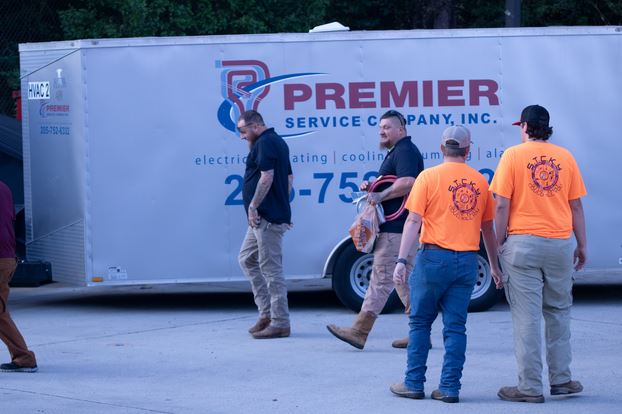
When your heat goes out in January, you want someone who can actually get there. Premier Service Company has been owned and run in Tuscaloosa since 1992, with a team of more than 180 people and over 100 trucks on the road. That’s a lot of local hands when cold snaps hit everyone at once.
We serve homeowners across Tuscaloosa, Northport, Fayette, Moundville, and the surrounding communities. Our techs live here too. They know these older neighborhoods, these homes, and how West Alabama weather treats a furnace.
Don’t just take our word for it. You can read what neighbors say in our customer reviews, where we hold a 4.8-star rating from more than 1,200 reviews.
Frequently Asked Questions
How often does an older gas furnace need maintenance?
Once a year, ideally in early fall before the first cold snap. Older furnaces benefit from a fall check because idle summer months let dust, rust, and pests build up. If your furnace is over 15 years old and has needed repairs recently, ask your technician whether a mid-season check makes sense.
Can furnace maintenance make an old furnace last longer?
Yes, within limits. Regular maintenance catches small problems before they cause bigger failures, which can add years to a furnace’s life. But it can’t reverse metal fatigue or fix a cracked heat exchanger. What it can do is tell you how much life is realistically left.
What does a furnace tune-up cost compared to a repair?
A tune-up typically costs far less than a single mid-winter breakdown, especially if that breakdown happens after hours. With a plan like Comfort Club, two seasonal visits are included in a monthly fee, plus you get a discount on any repairs. You can also check our current specials and coupons.
Is a burning smell normal when I first turn on my furnace?
A light, dusty smell for a few minutes on the first run of the season is common. Dust on the burners and heat exchanger burns off. If the smell is strong, lasts longer than an hour, smells like rotten eggs, or seems electrical, turn the furnace off and call for service right away. A rotten-egg smell can mean a gas leak, so leave the house first.
Stop Guessing and Start Planning
An aging furnace doesn’t have to be a winter-long worry. Regular furnace maintenance shows you exactly where your system stands: what’s healthy, what’s failing, and what’s unsafe. From there, the repair-or-replace choice gets a whole lot clearer.
Remember the big takeaways. Older furnaces in our climate wear out from idle months and shared AC use, not just heating. A thorough inspection matters more than a quick once-over. And simple tools like the $5,000 rule can help you make a confident call.
Ready to find out how much life your furnace has left? Call Premier Service Company at (205) 615-3077 or contact us to schedule your heating tune-up. We’re West Alabama’s home team, and we’ll tell you straight what your furnace needs.