 Based on 1200+ Reviews!
Why Is Your Gas Bill Climbing When Nothing Else Changed?
You didn’t turn the heat up. You didn’t add a room. Yet the gas bill keeps creeping higher every winter.
Sound familiar?
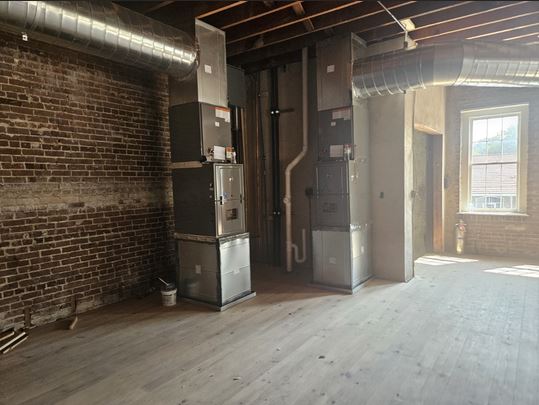
If your furnace is 10, 15 or even 20 years old, it’s probably not your imagination. Older gas furnaces lose efficiency little by little. They don’t break all at once. They just quietly burn more gas to make the same heat, and you pay for it every month.
Here’s the good news. A lot of that lost efficiency comes from things a trained tech can fix in one visit. In this guide, you’ll learn why aging furnaces waste gas, what real furnace maintenance includes, what you can do yourself, and when it’s time to stop fixing and start replacing.
The Slow Leak in Your Wallet: How Older Furnaces Waste Gas
Think of your furnace like a car. A car with dirty air filters, worn spark plugs and low tire pressure still runs. It just gets worse gas mileage. Your furnace works the same way.
Dirt Is the Silent Thief
Dust builds up on the burners, the flame sensor and the blower wheel. A dirty blower can’t push warm air through your vents as well. So the furnace runs longer to hit the temperature on your thermostat.
Longer run times mean more gas. More gas means a bigger bill. It’s that simple.
A clogged air filter makes it worse. The U.S. Department of Energy notes that swapping a dirty filter for a clean one can cut a system’s energy use by 5% to 15%. That’s money you’re throwing away over a $10 part.
Burners That Don’t Burn Clean
Gas burners need the right mix of gas and air. When that mix is off, the flame burns lazy and yellow instead of crisp and blue. A poor flame wastes fuel. Worse, it can make more carbon monoxide.
Burner adjustment isn’t a DIY job. It takes gas pressure tools and training.
Short Cycling: The Stop-and-Go Problem
Does your furnace kick on, run a minute, shut off, then start again? That’s called short cycling. A dirty flame sensor is one of the most common causes we see.
Every startup uses extra energy. It’s like driving in stop-and-go traffic instead of cruising down the highway. Your furnace wears out faster, and your bill goes up.
The Alabama Twist Most Furnace Articles Miss
Here’s the thing. Most furnace maintenance advice online is written for places like Minnesota. West Alabama is different, and that difference matters for your furnace.
Eight Months of Sitting Still
In Tuscaloosa, your furnace might sit idle from April to November. That sounds easy on the equipment. It isn’t.
While it sits, dust settles on the burners. Spiders and insects like to nest in quiet, dark spots, including burner tubes and gas openings. When that first cold snap hits in November, the furnace fires up with a winter’s worth of buildup. That’s why so many “no heat” calls come on the first chilly night of the year.
Your AC Can Rust Your Furnace
This one surprises a lot of homeowners. In many Alabama homes, the AC’s indoor coil sits right on top of the gas furnace. All summer long, that coil pulls water out of our sticky air.
If the drain line clogs or the drain pan cracks, that water can drip down into the furnace. Over time, it rusts burners, controls and even the heat exchanger. A furnace in Alabama can be damaged by summer, not winter.
That’s why a good tune-up here should include a look at the AC drain and coil area, too. One system affects the other.
Mild Winters Hide Problems
Because our winters are short, a struggling furnace can limp along for years. You might not notice weak heat when it’s 45 degrees outside. Then a hard freeze hits, the furnace can’t keep up, and you’re shivering in a sweater, wondering what went wrong.
Regular checkups catch these problems while the weather is still mild. That’s the best time to fix them, not the coldest night of January.
What Real Furnace Maintenance Includes
Not all tune-ups are equal. Some companies swap the filter, glance inside and hand you a bill. That’s not maintenance. That’s a visit.
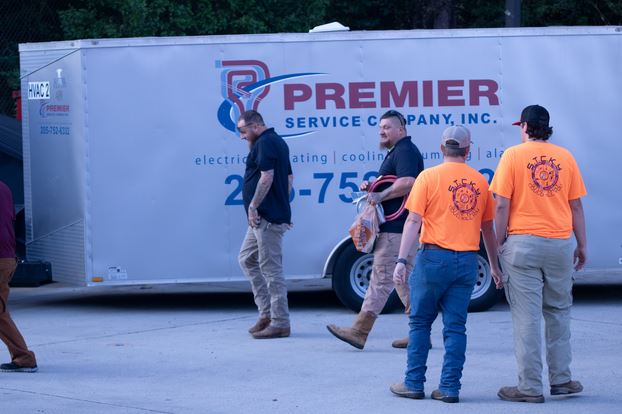
At Premier Service Company, our techs have been working on West Alabama furnaces since 1992. Here’s what a thorough gas furnace tune-up should cover and why each step matters for your bill and your safety.
| Maintenance Task | What It Fixes | How It Helps You |
|---|---|---|
| Replace or check air filter | Restricted airflow | Lower run times and gas use |
| Clean burners and check flame | Lazy, uneven flame | Cleaner burn, less wasted gas |
| Clean flame sensor | Short cycling, no-start calls | Steadier heat, less wear |
| Inspect heat exchanger | Cracks and rust | Protects against carbon monoxide |
| Test carbon monoxide levels | Hidden CO leaks | Peace of mind for your family |
| Clean and check blower | Weak airflow | Even heat in every room |
| Check gas pressure | Over- or under-firing | Right amount of fuel, no waste |
| Test safety controls | Failed limit switches | Prevents overheating |
| Inspect venting and flue | Blocked or loose pipes | Exhaust leaves your home safely |
| Check AC drain and coil area | Water dripping into furnace | Stops rust before it starts |
| Test thermostat | Bad readings | Furnace runs only when needed |
That’s a lot of moving parts. But here’s what matters most: every item on that list either saves you money, keeps your family safe, or both.
What You Can Do Yourself (and What You Shouldn’t)
Look, we love a homeowner who takes care of their house. There are a few simple jobs you can handle between pro visits.
Change your filter. Check it every month during heating season and replace it when it looks gray. If you have pets or allergies, you may need to change it more often.
Keep the area around your furnace clear. Don’t store paint cans, boxes or cleaning supplies next to it. Furnaces need air to burn safely.
Make sure your vents and returns aren’t blocked by furniture or rugs. A blocked return makes the blower work harder for no reason.
Test your carbon monoxide detectors. If you have a gas furnace, you need working CO alarms near sleeping areas. Push the test button and replace batteries once a year.
Where DIY Stops
Here’s the line. Don’t open the burner area. Don’t adjust gas pressure. Don’t try to inspect the heat exchanger yourself.
Gas appliances can be dangerous when something goes wrong. A cracked heat exchanger can leak carbon monoxide, which you can’t see or smell. That’s a job for a licensed tech with the right tools.
Repair, Maintain or Replace? An Honest Answer
You might feel stuck. Should you keep putting money into an old furnace, or just replace it? It’s frustrating not knowing which choice is smarter.
Here’s how we help homeowners think it through.
| Furnace Age | Typical Condition | Our Usual Advice |
|---|---|---|
| Under 10 years | Should run well with care | Yearly maintenance, repair as needed |
| 10 to 15 years | Efficiency starting to slip | Maintenance is key; budget for future replacement |
| 15 to 20 years | Near end of normal life | Weigh repair costs carefully before spending big |
| Over 20 years | Often well past its prime | Get a replacement estimate before the next big repair |
The Exception to the Rule
Maintenance can’t fix everything. This doesn’t work if your heat exchanger is cracked. It also won’t turn a 1990s furnace into a modern high-efficiency model.
Older furnaces often run around 80% efficiency or lower, while today’s high-efficiency gas furnaces can reach 95% or higher. That means a new furnace can turn more of every gas dollar into heat for your home.
If repairs keep piling up, it may make sense to look at furnace installation options. And if your furnace just needs a fix to get through the season, our team handles furnace repairs on all major brands.
The Real Cost of Skipping a Tune-Up
Let’s be honest. A tune-up feels optional when the furnace seems fine. You’ve got other bills. Other things to worry about.
But here’s what we’ve seen over 30-plus years in West Alabama. The small stuff becomes the big stuff. A dirty flame sensor that costs a few minutes to clean turns into a no-heat call on a Saturday night. A clogged AC drain that nobody checked turns into a rusted-out furnace.
And the gas bill? It keeps creeping up, month after month, until you’ve paid for a tune-up several times over in wasted fuel.
Then there’s the relief side. Picture this: the first cold night arrives, and your furnace just starts. Quietly. Evenly. No burning smell, no odd noises, no frantic phone calls. That feeling is what maintenance really buys you.
One Team for the Whole House
Here’s something a single-trade company can’t offer. Your gas furnace doesn’t live alone. It shares space with your gas water heater, your gas lines, your electrical panel and often your AC coil.
Premier Service Company is licensed in heating and air, plumbing and electrical. So when our tech is checking your furnace and spots a rusty water heater vent or a scorched wire, you don’t have to go find another contractor. One call, one team, your whole home.
That’s what being West Alabama’s home team means to us. Our 184 team members and 104 trucks are based right here in Tuscaloosa. We serve Northport, Moundville, Fayette, Coaling, Coker, Berry and the towns in between. Wherever you live, you’ll get the same team and the same guarantee. See our Tuscaloosa heating and air services or Northport heating and air services for local details.
Put Your Furnace on Our Calendar
Want to know the secret to never forgetting a tune-up? Let us remember for you.
Our Comfort Club starts at $20 a month. Members get two maintenance visits a year, a 12-month supply of filters, 10% off repairs, priority scheduling and no diagnostic charge during office hours. We keep track of your system, so you don’t have to.
Frequently Asked Questions
How often does a gas furnace need maintenance?
Once a year is the standard. In West Alabama, early fall is the sweet spot, before the first cold snap. Since your furnace sits idle most of the year, a fall checkup clears out dust, debris and pests before the heat kicks on.
Can furnace maintenance really lower my gas bill?
Yes, in many cases. Clean burners, a clean blower, a fresh filter and the right gas pressure help your furnace make more heat with less gas. Results depend on the furnace’s age and condition. Maintenance can’t make an old furnace as efficient as a new one, but it can stop the waste caused by dirt and wear.
Why does my furnace smell like burning the first time I turn it on?
That’s usually dust burning off the heat exchanger after months of sitting still. It should fade within an hour. If the smell lasts, smells like rotten eggs or smells like burning plastic, turn the system off and call a pro. A rotten-egg smell may mean a gas leak, so leave the house and call your gas company first.
Does my air conditioner affect my furnace?
In many Alabama homes, yes. The AC coil often sits on top of the furnace. If its drain clogs, water can drip into the furnace and cause rust. That’s why a good tune-up here checks both systems together.
Warm Home, Lower Bills, Fewer Surprises
Your aging gas furnace doesn’t have to be a money pit. Most of the efficiency it loses comes from dirt, wear and small problems that a yearly tune-up can catch early.
Change your filter. Keep your CO detectors working. And let a licensed tech handle the burners, gas pressure and heat exchanger. In Alabama, don’t forget the AC drain that sits right above your furnace.
Ready to stop overpaying for heat? Call Premier Service Company at (205) 615-3077 or contact us to book your furnace tune-up. Your home team is right down the road.