 Based on 1200+ Reviews!
That Sound You Hear When the Heat Kicks On
It’s the first cold night of the year. You flip the thermostat to “heat,” and the furnace groans to life after sitting quiet since March. There’s a dusty, burning smell. Is that normal? Or is it something worse?
If your gas furnace is pushing 15 years or more, that question hits differently. You’ve probably heard the words “cracked heat exchanger” and “carbon monoxide” in the same sentence. And it’s scary, because carbon monoxide gives you no warning. You can’t see it. You can’t smell it.
Here’s the good news. Regular furnace maintenance is the single best way to catch these problems before they put your family at risk. In this guide, you’ll learn what a heat exchanger actually does, why older furnaces crack, what a good tune-up should include, and when it’s time to stop repairing and start replacing.
What’s Really Going on Inside Your Furnace
The Heat Exchanger, Explained Simply
Think of the heat exchanger as a metal wall. On one side, gas burns and makes hot exhaust. On the other side, your home’s air passes by, warms up, and blows out of your vents.
That wall keeps the two apart. The exhaust, which contains carbon monoxide, goes up the flue and outside. Your clean, warm air goes into your living room.
So what happens if that wall gets a crack? Exhaust can slip into the air you breathe. That’s the whole worry in one sentence.
Why Metal Cracks Over Time
Every time your furnace runs, the metal heats up and expands. When it shuts off, it cools and shrinks. Do that thousands of times a season for 15 or 20 years, and the metal gets tired. Small stress cracks can form, usually at bends and seams.
Some things speed that up. A clogged filter is the big one. When air can’t flow across the heat exchanger, the metal runs hotter than it was designed to. That extra heat adds extra stress, cycle after cycle.
The West Alabama Problem Nobody Talks About
Here’s the thing most furnace articles miss. They’re written for places like Minnesota, where furnaces run hard for six months. Our furnaces live a different life.
Your AC Might Be Rusting Your Furnace
In a lot of Tuscaloosa and Northport homes, the air conditioner’s indoor coil sits right on top of the gas furnace. All summer long, that coil pulls water out of our sticky air. It’s supposed to drain away through a pan and a line.
But drain lines clog. Pans crack. And when they do, water can drip down onto the furnace below, sometimes for months before anyone notices. Water plus steel equals rust. Rust eats through a heat exchanger faster than age alone ever would.
Sound familiar? If you’ve ever had a clogged AC drain or found water near your indoor unit, your furnace deserves a closer look this fall.
Short Seasons, Short Cycles
Mild winters bring their own trouble. Many furnaces in our area are bigger than the house really needs. On a 45-degree day, an oversized furnace blasts heat, hits the thermostat setting fast, and shuts off. Then it does it again. And again.
These quick on-off cycles are called short cycling. Each one heats and cools the metal, which means more stress without much useful heat. So a furnace here might not run as many hours as one up north, but it can rack up far more start-ups.
The Long Summer Nap
Then there’s the eight months your furnace sits unused. Dust settles on the burners. Insects love to build nests in quiet, dark places, and burner tubes and flue pipes are perfect spots. A blocked flue doesn’t need a cracked heat exchanger to push exhaust back into your home.
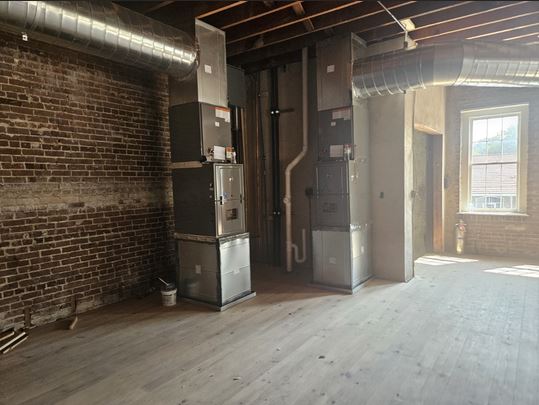
That’s why a fall check matters so much here. The first startup of the season is when hidden problems show up.
Warning Signs You Shouldn’t Brush Off
Look, some signs are easy to spot if you know what to watch for. A healthy gas flame burns steady and mostly blue. If you see a lazy, flickering, or mostly yellow flame, the burn isn’t clean.
Soot around the furnace door or vents is another red flag. So is rust or water stains on the cabinet, a CO alarm that chirps “for no reason,” or the furnace shutting itself off over and over.
Then there are the body clues. Headaches, dizziness, nausea, or tiredness that ease up when you leave the house can point to carbon monoxide. It’s frustrating, because they feel like the flu. But here’s what matters: if your whole household feels sick at home and better away from it, take that seriously.
The CDC estimates that more than 400 Americans die each year from unintentional carbon monoxide poisoning not linked to fires. Most of those cases involve fuel-burning equipment indoors, including furnaces.
If your CO alarm sounds, don’t troubleshoot. Get everyone outside, call 911 or the gas company from outdoors, and don’t go back in until you’re told it’s safe.
What a Real Furnace Tune-Up Should Include
Not all tune-ups are the same. Some are a quick filter swap and a glance. A thorough furnace maintenance visit on an older gas furnace should go much deeper.
The Safety Checks That Matter Most
A good technician will inspect the heat exchanger, often with a camera that can see into areas your eyes can’t. They’ll test for carbon monoxide in the flue and around the unit, and check that the flue pipe is clear, sealed, and sloped the right way.
They should also test the flame sensor, limit switch, and rollout switches. These are safety devices that shut the furnace down when something goes wrong. If one of them has been bypassed or isn’t working, you’ve lost a key layer of protection.
The Checks That Protect the Equipment
Beyond safety, the tech should clean the burners, check gas pressure, inspect the blower and belt, measure temperature rise across the heat exchanger, and check the AC drain pan above the furnace. That last one is the West Alabama step that often gets skipped.
Here’s a quick look at what separates a basic visit from a thorough one:
| Checkpoint | Basic “Tune-Up” | Thorough Safety Inspection | Why It Matters for Older Gas Furnaces |
|---|---|---|---|
| Air filter | Replaced | Replaced, plus airflow checked | Poor airflow overheats the heat exchanger |
| Heat exchanger | Quick visual, if any | Camera or close inspection of seams and bends | Cracks often hide where you can’t see |
| Carbon monoxide | Not tested | Flue and ambient CO readings | The only way to measure what you can’t smell |
| Flue and venting | Glanced at | Checked for blockage, rust, slope, and seals | Blocked vents push exhaust back indoors |
| Safety switches | Not tested | Limit, rollout, and flame sensor tested | These shut the furnace off when danger starts |
| Temperature rise | Not measured | Measured and compared to the label | Too high means overheating and metal stress |
| AC coil drain pan | Skipped | Checked for clogs, cracks, and rust below | Condensate drips are a leading cause of corrosion |
A Word on Honesty
Here’s something worth knowing. The phrase “cracked heat exchanger” has been misused by some companies to push sales. That’s not okay, and you deserve proof.
If a tech says your heat exchanger is cracked, ask to see it. Ask for a photo or video, plus the CO readings. A trustworthy company will gladly show you. That’s how the team at Premier Service Company handles it, because a decision this big should be based on what you can see, not what you’re told.
Repair, Replace, or Keep an Eye On It?
When Repair Makes Sense
Many problems on an older furnace are fixable. A dirty flame sensor, a worn igniter, a clogged drain line, or a weak blower motor can usually be repaired at a fair price. If the heat exchanger is solid and the furnace is otherwise healthy, a furnace repair can buy you several more good years.
When Replacement Is the Safer Call
A confirmed crack in the heat exchanger is different. In most cases, the furnace should be shut down and not used. Replacing just the heat exchanger is sometimes possible, but on a furnace that’s 15 to 20 years old, the cost often comes close to a new system.
You might feel overwhelmed by that news, especially heading into winter. That’s normal. A good contractor will walk you through options, including financing, and help with temporary heat if needed. When replacement is the right answer, a properly sized new furnace installation also fixes the short-cycling problem for good.
The Exception
This whole worry applies to gas, propane, and oil furnaces. If your home heats with a heat pump or an electric furnace, there’s no combustion and no heat exchanger making carbon monoxide. You still need maintenance, just for different reasons. Learn more on our heat pump repair page.
Why “Whole Home” Thinking Keeps You Safer
Carbon monoxide safety isn’t only a furnace issue. A gas water heater, a gas range, and an attached garage can all be sources too. And your CO alarms need to work on every level of your home and near bedrooms.
That’s where having one team for the whole house pays off. Premier Service Company has been West Alabama’s home team since 1992, with licensed HVAC, plumbing, and electrical pros under one roof. One visit can check the furnace, look at the gas water heater, and confirm your home’s safety devices are doing their jobs.
Want the easiest way to stay ahead of it? The Comfort Club includes two maintenance visits a year, priority scheduling, and discounts on repairs. Your fall heating check just shows up on the calendar, so you don’t have to remember it.
Frequently Asked Questions
How often does an aging gas furnace need maintenance?
Once a year, every year, ideally in early fall before the first cold snap. Once a furnace passes about 15 years old, that yearly check matters more, since metal fatigue and corrosion speed up with age. Check or change your filter every one to three months in between visits.
Can a cracked heat exchanger leak carbon monoxide even if my alarm is quiet?
Yes, it can. Small cracks may leak only when the metal expands during heating, and the amount can vary. Some alarms also don’t react to low levels right away. That’s why a tech should take actual CO readings, and why your alarms should be tested and replaced when they hit their expiration date, usually 5 to 10 years.
Is that burning smell on the first startup dangerous?
Usually not. Dust burning off the heat exchanger and burners after a long summer is common, and it should fade within an hour or so. If the smell stays, smells like rotten eggs (a gas leak), or comes with soot or a CO alarm, turn the system off and call a pro.
Does an AC problem really affect my furnace?
In many Southern homes, it does. When the AC coil sits above the furnace, a clogged condensate line or cracked drain pan can drip water onto the furnace for months. That steady moisture can rust the heat exchanger and burners. A fall inspection should always include a look at the drain pan above the furnace.
Don’t Wait for the Alarm to Tell You
Your furnace has kept your family warm for years. But older gas furnaces need more than a quick glance, especially in West Alabama, where AC condensate, short cycling, and long idle summers add stress you won’t read about elsewhere.
Here’s what to remember. Yearly furnace maintenance catches cracks, rust, and blocked vents before they turn into a CO emergency. Always ask for proof if someone says your heat exchanger is cracked. And keep working CO alarms on every level of your home.
Ready to sleep easier this winter? Premier Service Company can schedule a full heating safety inspection on your schedule. Visit our heating services page, read what neighbors say in our customer reviews, or contact us today at (205) 615-3077. Local folks in Tuscaloosa and Northport can also book a fall tune-up right online.