 Based on 1200+ Reviews!
The Coldest Morning of the Year Is the Worst Time to Find Out
It’s 5:30 a.m. The first real cold front of the year rolled into Tuscaloosa overnight. You bump the thermostat up, hear a click… and then nothing. No whoosh. No warm air. Just a cold house and a phone full of busy signals.
Sound familiar? If your gas furnace is 12, 15, or 20 years old, that fear probably sits in the back of your mind every fall.
Here’s the good news. Most first-cold-snap breakdowns are predictable, and many of them are preventable. In this guide, you’ll learn why older furnaces tend to fail on that first cold day, what a real furnace maintenance visit should cover, what you can safely do yourself, and how to tell when your furnace has given all it’s got.
Why Southern Furnaces Fail on Day One
Up North, a furnace runs for six months straight. In West Alabama, it might run hard for only a few weeks a year. That sounds like an easy life for your equipment.
It isn’t.
The Problem With a Furnace That Sleeps All Summer
Your furnace sits still from about April to November. During those months, dust settles on the burners. Spiders and mud daubers move into the burner tubes and vent pipe. Humidity coats metal parts with a thin layer of rust. Then the first cold night arrives, and the system is asked to go from zero to full speed in seconds.
That’s why the busiest heating repair days in our area are often the first two or three cold mornings of the season. Everyone’s furnace wakes up at once. And the ones that haven’t been checked are the ones that don’t.
The Usual Suspects
Here’s the thing about no-heat calls on older gas furnaces. The same few parts show up again and again.
A dirty flame sensor is near the top of the list. It’s a small metal rod that proves the burners lit. When it gets coated with grime, the furnace lights, then shuts itself off a few seconds later. Cracked or weak hot surface ignitors are another big one. They’re fragile, and they tend to fail when they’re asked to heat up after months of rest.
Clogged filters, worn inducer motors, and blocked condensate lines (on high-efficiency models) round out the list. None of these are exotic problems. Most can be caught in one maintenance visit.
What Real Furnace Maintenance Should Include
Not every “tune-up” is the same. Some are a quick filter swap and a glance at the flame. That’s not enough for a furnace that’s been around since the early 2000s.
A thorough visit should cover safety first, then performance, then the parts most likely to fail this winter.
The Safety Checks That Matter Most
Look, this is the part nobody likes to talk about. A gas furnace burns fuel inside your home. When it works right, the exhaust goes up and out. When it doesn’t, carbon monoxide can build up where your family sleeps.
That’s why a good technician inspects the heat exchanger for cracks, tests the flue draft, and checks for gas leaks at every fitting. Older furnaces have gone through thousands of heat-and-cool cycles. Metal expands and shrinks each time. Over the years, that stress can open small cracks you’d never see on your own.
Also, if you don’t have a working carbon monoxide detector near your bedrooms, put that on your to-do list today. It’s cheap peace of mind.
What a Thorough Tune-Up Covers
Here’s a side-by-side look at what a full furnace maintenance visit checks, why it matters more on an aging system, and what can happen if it’s skipped.
| What Gets Checked | Why It Matters on an Older Furnace | What Can Happen If It’s Skipped |
|---|---|---|
| Heat exchanger | Years of heating cycles can cause hidden cracks | Carbon monoxide risk; forced shutdown |
| Flame sensor | Dust builds up over the long off-season | Furnace lights, then quits after a few seconds |
| Hot surface ignitor | Brittle parts often fail on first startup | No heat on the first cold morning |
| Burners and vent pipe | Insects and debris move in over summer | Poor burn, sooting, unsafe venting |
| Gas pressure and connections | Fittings can loosen or corrode over time | Gas leaks or weak, uneven heat |
| Blower motor and wiring | Worn bearings and loose wires strain the system | Overheating, tripped breakers, sudden failure |
| Filter and airflow | Dirty filters choke older blowers | High bills, overheating, short cycling |
| Thermostat and safety switches | Controls drift out of calibration | Wrong temperatures or a furnace that won’t start |
| Condensate drain (high-efficiency units) | Algae and sludge clog lines | Water leaks and a furnace that shuts off |
One more angle most homeowners never hear about: your furnace isn’t just a heating appliance. It plugs into your electrical system and, on high-efficiency models, your drain lines. A tired electrical panel or a backed-up drain can shut down a perfectly good furnace. A team that handles heating, electrical, and plumbing can spot those problems on the same visit instead of sending you to call three different companies.
What You Can Do Yourself (and Where to Stop)
You don’t need to be handy to help your furnace. A few simple habits go a long way.
Change your filter every one to three months during heating season. Keep the area around the furnace clear of boxes, paint cans, and laundry. Make sure supply vents and return grilles aren’t blocked by rugs or furniture. And before the cold arrives, turn the heat on for a test run on a mild afternoon.
That test run is a big one. A little dusty “burning” smell for the first 10 or 15 minutes is normal. Dust is burning off the burners. But a smell that lingers, a rotten-egg odor, or loud banging and squealing means it’s time to shut the system down and call a pro.
Here’s where to stop. Don’t open the burner compartment, adjust gas parts, or try to replace an ignitor yourself. The exception is a filter change, which is safe for nearly anyone. Everything behind the panel door involves gas, high voltage, or both. It’s simply not worth the risk.
Repair, Replace, or Keep Nursing It Along?
This is the question that keeps a lot of folks up at night. You might feel stuck between paying for another repair and dropping thousands on a new system.
Most gas furnaces last about 15 to 20 years with good care. If yours is in that range, maintenance becomes even more important. It’s how you find out whether the furnace is aging gracefully or quietly falling apart.
A simple rule of thumb many technicians use: multiply the furnace’s age by the repair cost. If that number tops $5,000, replacement usually makes more financial sense. So a $400 repair on a 14-year-old furnace ($5,600) points toward replacing. That same repair on an 8-year-old unit ($3,200) points toward fixing it.
This rule doesn’t work if the problem is a cracked heat exchanger. That’s a safety issue, not a math problem. In most cases, a cracked heat exchanger on an older furnace means it’s time for a new furnace installation.
Other signs you’re near the end? Repairs every winter. Rooms that never feel warm. Gas bills that climb for no clear reason.
Why Fall Is Your Window
Timing matters more than most people think.
In October and early November, schedules are open, techs aren’t racing from one no-heat call to the next, and parts are easy to get. Wait until the first freeze, and you’re competing with hundreds of neighbors whose furnaces just failed too.
Here’s what matters most: a maintenance visit in the fall gives you time. Time to fix a weak part on your schedule. Time to compare options if replacement is on the table. And time to stop worrying about that first cold morning.
Making It Automatic
If you hate remembering to book appointments (and who doesn’t?), a maintenance plan takes it off your plate. The Comfort Club from Premier Service Company starts at $20 a month. It includes two scheduled visits a year, a year’s supply of filters, 10% off repairs, priority scheduling, and no call-out or diagnosis charges during office hours.
That priority scheduling is the quiet hero. When the first cold snap hits and the phones light up, members move toward the front of the line.
The Local Advantage When the Heat Goes Out
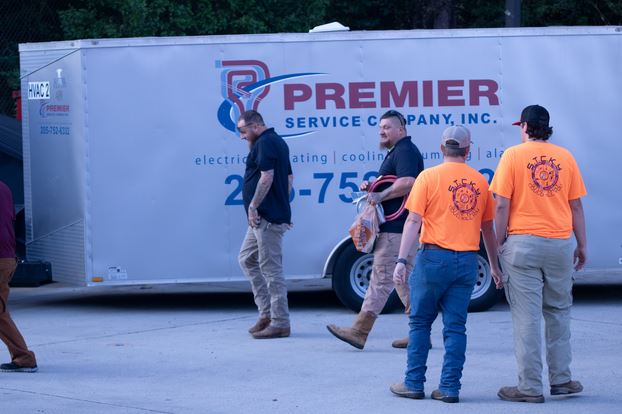
When your furnace fails at 2 a.m., you want a real person on the phone and a tech who knows the area. Premier Service Company has been owned and run in Tuscaloosa since 1992. The team has grown from 7 people to 184, with 104 trucks on the road across West Alabama.
That size matters on the coldest days of the year. It’s the difference between “we’ll get to you Thursday” and help today. And because the same company is licensed for HVAC, plumbing, and electrical work, one visit can handle a furnace that won’t start because of a bad breaker or a clogged drain line.
Whether you’re in Tuscaloosa, Northport, or out in Fayette, it’s the same team and the same guarantee. Don’t just take our word for it, either. Read what your neighbors say in our customer reviews.
Frequently Asked Questions
How often does a gas furnace need maintenance?
Once a year, ideally in early fall. In West Alabama, furnaces sit idle for most of the year, so a fall check catches dust, pests, and worn parts before the system has to work. Older furnaces (12+ years) benefit the most because small problems grow faster.
How long does a furnace maintenance visit take?
Most visits take 60 to 90 minutes. A furnace that hasn’t been serviced in years may take longer, since burners, flame sensors, and vent pipes often need extra cleaning. Your technician should walk you through what they found before they leave.
Can furnace maintenance prevent carbon monoxide problems?
It greatly lowers the risk. A thorough visit checks the heat exchanger for cracks, tests venting, and confirms the furnace burns cleanly. Still, maintenance is not a replacement for a working CO detector. Every home with gas appliances should have one near the bedrooms.
Is furnace maintenance worth it on a 20-year-old furnace?
Yes, and arguably more so. An older furnace is more likely to have safety issues, and a maintenance visit tells you whether it’s safe to run another winter. If it’s not, you’ll know in October instead of finding out on the coldest night of the year.
Sleep Easy When the Temperature Drops
Older furnaces in our part of the country don’t usually fail because they’re overworked. They fail because they sit quietly for eight months and then get asked to perform on the coldest morning of the year.
Annual furnace maintenance changes that story. It catches the flame sensor that’s about to quit, the ignitor that’s about to crack, and the safety problems you’d never see on your own. And it gives you enough time to make smart, calm decisions instead of rushed ones at 6 a.m.
Don’t wait for the first cold front to find out how your furnace is doing. Call Premier Service Company at (205) 615-3077, book a heating tune-up online, or reach out to our team today. If your furnace is already acting up, our furnace repair crew is ready to help. One call. One team. Your whole home.