 Based on 1200+ Reviews!
Turn Season Is Coming. Is Your Paint Crew Ready?
Let’s be honest. Turn season is brutal.
You’ve got a few short weeks to flip hundreds of units before a new wave of students shows up with U-Hauls and impatient parents. Every scuffed wall, every nail hole, every scratch on the trim has to disappear before move-in day. And if it doesn’t? You hear about it. Fast.
Here’s the thing: patch and paint for renovation and repair sounds simple. Slap some spackle on a hole, roll on a coat of paint, done. But when you’re managing this across dozens of buildings on a deadline that doesn’t move, “simple” turns into a logistics nightmare pretty quick.
This article walks through what patch and paint work actually involves during a property turn, what separates a crew that can handle volume from one that can’t, and how to pick a vendor who won’t leave you scrambling the week before leases start. Sound familiar? Then keep reading.
What “Patch and Paint” Really Means at Scale
For a single homeowner, patch and paint means fixing one wall. For a student housing operator, it means fixing hundreds of walls, in dozens of units, on the exact same calendar.
That difference changes everything about how the work needs to happen.
A good patch and paint job for renovation and repair covers drywall holes, dents, and cracks from a full year of student living. It covers scuffed baseboards, chipped door frames, and the mystery stains nobody wants to explain. Then it covers repainting whole rooms, not just touch-ups, because a patchy paint job looks worse than no paint at all under move-in-day lighting.
None of that is hard on its own. What’s hard is doing it correctly, in every unit, in the same tight window, without cutting corners that show up during inspection.
The Real Cost of a Vendor Who Can’t Keep Up
You might already feel the dread creeping in just thinking about last year’s turn season. Maybe a painter ghosted you halfway through. Maybe the patch work looked fine until the primer dried and every repair suddenly stood out like a bruise.
This is the part that actually keeps property managers up at night.
A missed deadline during turn season isn’t a small inconvenience. It’s a delayed move-in, an angry parent on the phone, and a resident association manager asking hard questions. It’s your reputation, unit by unit, one bad wall at a time.
But here’s what matters: the problem usually isn’t the paint. It’s the crew size. Most local painters run small — three or four guys, maybe. That works fine for a single house. It falls apart the moment you need forty units finished by Friday.
Why Mobilization Speed Is the Real Differentiator
Ask any student housing operator what they actually need from a patch and paint vendor, and speed comes up before quality almost every time. Not because quality doesn’t matter — it does — but because a vendor who shows up slow has already failed, no matter how good the finish work turns out to be.
Mobilizing fast means having enough trained people on staff to send real crews to multiple properties at once. It means not subcontracting out to whoever’s available that week, because subcontracted crews vary wildly in skill, and inconsistency is exactly what you can’t afford during turn.
What to Look For in a Patch and Paint Crew
So what actually separates a vendor worth hiring from one that’ll leave you holding the bag? A few things, and none of them are complicated.
Crew Depth, Not Just Crew Promises
Anyone can promise a fast turnaround in a sales call. Ask how many in-house technicians they actually have on payroll, not subcontracted, not seasonal. A company with a genuinely large trained crew can split up and hit five buildings at once. A two-person outfit can’t, no matter how good their website looks.
Consistency Across Every Unit
This doesn’t work if every crew member has a different standard for what “good enough” looks like. One of the biggest advantages of working with an established, family-owned company with decades of experience is that their techs have trained under the same standards for years, not weeks. That consistency is what keeps unit 12A looking as clean as unit 4B.
One Call for More Than Just Paint
Here’s a detail a lot of operators overlook. Turn season rarely involves paint alone. There’s a leaky faucet in one unit, a flickering light in another, a door that won’t latch down the hall. A vendor who only does paint means you’re calling a second company, then a third, then juggling three separate schedules during your busiest month of the year.
A multi-trade provider — one that handles renovation, repair, and the smaller maintenance issues that pop up during the same walkthrough — collapses all of that into a single relationship. One call. One schedule. One standard of work, instead of four different companies with four different reputations.
Comparing Your Options
Not every vendor type fits every situation. Here’s how the common choices stack up when the clock is running.
| Vendor Type | Crew Mobilization Speed | Trade Scope | Consistency Risk |
| In-house maintenance staff | Limited by headcount, often stretched thin | Broad, but overloaded during peak season | Moderate — depends on staff bandwidth |
| Single-trade local painter | Slow for large volume, fast for small jobs | Paint only | Low, but doesn’t solve non-paint issues |
| Subcontracted turn crews | Fast on paper, unpredictable in practice | Varies by subcontractor | High — quality shifts crew to crew |
| Established multi-trade provider | Fast, with trained staff to spare across sites | Patch, paint, plumbing, electrical, and more | Low — same trained team, same standard |
The exception, of course, is a very small property with only a handful of units turning over. In that case, a single-trade local painter might genuinely be all you need. But once you’re managing volume, the math changes fast.
How an Established Local Team Handles Peak Season
This is where experience actually shows up in the results, not just the sales pitch.
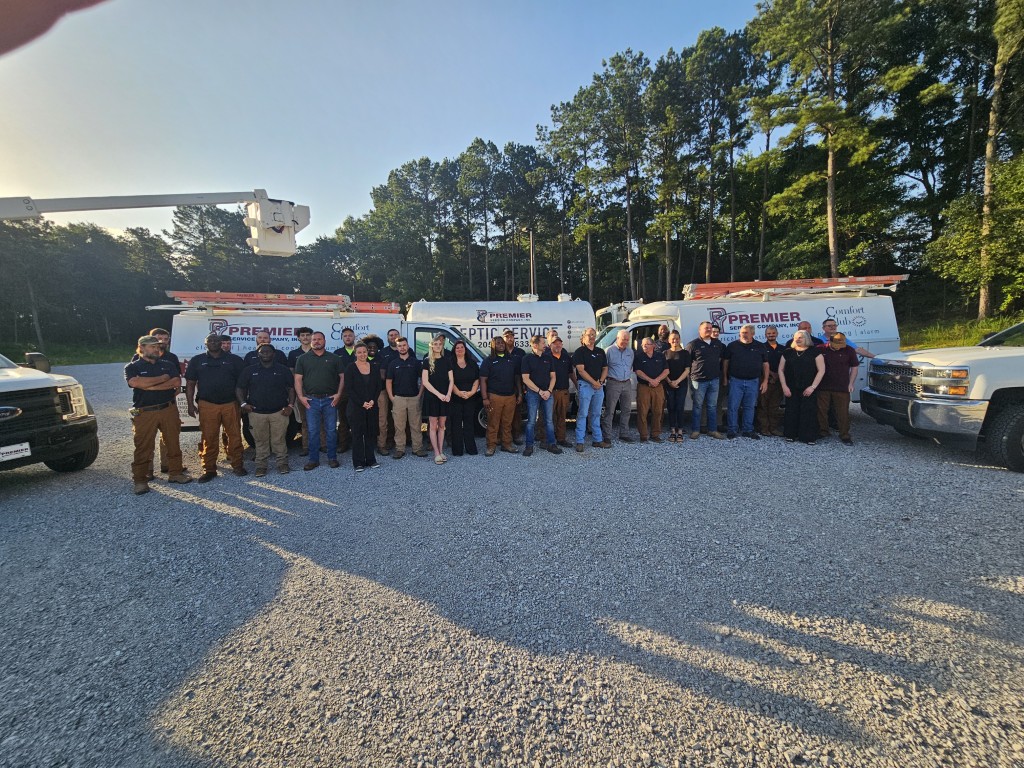
A company that’s been doing this work for more than three decades has already lived through a dozen turn seasons. They know that student housing move-out damage follows patterns — the same wall dings, the same scuffed corners, the same last-minute punch list items every single year. That kind of pattern recognition means faster estimates, faster prep, and fewer surprises once the crew is on site.
It also shows up in the reviews. A vendor with more than 1,200 five-star reviews and BBB accreditation didn’t earn that reputation by being good at marketing. They earned it by showing up, year after year, and doing the work right the first time.
If your current vendor relationship feels shaky heading into another turn season, that’s worth paying attention to. Waiting until the week before move-in to find a backup plan almost never ends well. Explore renovation and repair services.
Frequently Asked Questions
How far in advance should I book patch and paint services for turn season? Most experienced operators lock in their vendor 6 to 8 weeks before the turn window opens. Crews with strong mobilization capacity can sometimes work with less notice, but early booking guarantees you get priority scheduling instead of whatever slot is left over.
What’s the difference between patching and full repainting? Patching fixes specific damage — holes, dents, cracks — before any paint goes on. Full repainting covers the entire wall or room, which is usually the better choice after a full year of student occupancy, since spot touch-ups tend to stand out under move-in lighting.
Can one vendor really handle patch, paint, and other repairs during the same visit? Yes, if they’re a genuine multi-trade provider with trained staff across those disciplines, not a paint company subcontracting out plumbing or electrical work. That’s exactly the kind of consolidation that saves operators from managing multiple vendor calendars during their busiest month.
What should I ask a vendor before hiring them for a large-scale turn? Ask about in-house crew size, how many properties they can staff simultaneously, and whether their pricing is flat-rate or subject to change mid-job. Also ask for references from other multi-unit or student housing clients specifically, not just single-family homeowners.
The Bottom Line on Turn Season Survival
Turn season doesn’t have to feel like a fire drill every single year.
The operators who sleep well during those few brutal weeks aren’t the ones with the biggest budgets. They’re the ones who picked a patch and paint partner who could actually mobilize at scale, deliver consistent quality unit after unit, and handle more than paint alone when something else breaks.
If last year’s turn season left you frustrated, relieved it’s over, or both — take that as your signal to line up a better vendor now, not in the panic of week one. Get a fast quote for your next turn season.