 Based on 1200+ Reviews!
The Quiet Danger Down the Hall From the Nursery
It’s 2 a.m. The baby monitor glows green. Everyone’s asleep, and the furnace just kicked on for the first real cold night of the year.
You probably didn’t think twice about it. Most parents don’t.
But here’s the thing. That furnace hasn’t run since March. It sat through a long West Alabama summer with dust settling on the burners, maybe a mud dauber nest in the vent pipe, and who knows what happening to the metal inside. If something’s wrong, the first sign might be a gas you can’t see, smell, or taste.
That gas is carbon monoxide (CO). And it hits babies and small children first and hardest.
This guide shows you why furnace maintenance matters even more when you have little ones at home. You’ll learn what a real safety check covers, how to tell CO symptoms from the flu, and the simple steps that let you sleep easier this winter.
Why Babies Feel Carbon Monoxide First
Small Bodies, Fast Breathing
Infants breathe much faster than adults. A newborn takes 30 to 60 breaths a minute at rest. A grown-up takes 12 to 20. More breaths means more CO pulled in, faster.
Their bodies are also still growing. CO pushes oxygen out of the blood, and a baby’s brain and heart need every bit they can get. Expecting? CO crosses the placenta, so an unborn baby is at risk too.
They Can’t Tell You Something’s Wrong
This is the part that keeps parents up at night. A toddler can’t say, “I have a headache.” A baby can’t tell you she feels dizzy. She just gets fussy, sleepy, or won’t eat.
Sound familiar? Those are the same things you see with a cold, teething, or a growth spurt. That’s exactly why CO is so easy to miss.
Is It the Flu, or Is It the Furnace?
CO poisoning looks a lot like the flu. Headache, dizziness, weakness, upset stomach, and confusion show up with both. And winter is flu season. So how do you know?
Look for patterns, not just symptoms. Here’s a quick comparison our technicians share with families:
| Clue | More Likely the Flu | Could Be Carbon Monoxide |
|---|---|---|
| Fever | Usually present | Usually absent |
| Who’s sick | Spreads one person at a time over days | Several people feel bad at the same time |
| Where symptoms ease | Not tied to a place | Better away from home, worse back inside |
| When it’s worst | Any time | When the heat runs hard, like cold mornings |
| Body aches | Common | Less common |
| Pets | Fine | May seem sleepy or sluggish too |
The exception? A CO leak can start while someone already has a bug, which muddies the picture. If your gut says something’s off, trust it. Get everyone outside into fresh air and call 911.
What Actually Goes Wrong Inside a Furnace
The Cracked Heat Exchanger
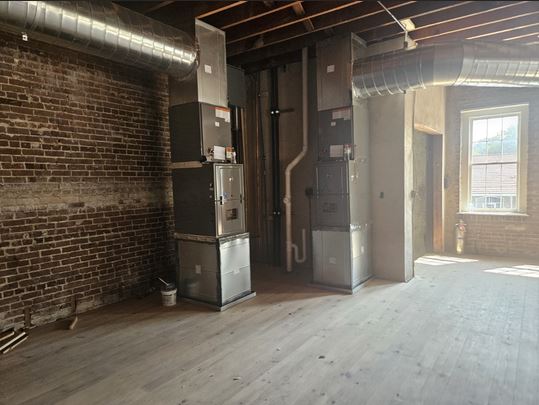
Your gas furnace burns fuel inside a metal chamber called the heat exchanger. Air from your house flows around the outside of it, picks up heat, and blows through your vents. The exhaust, CO included, stays inside and leaves through the flue pipe.
Here’s the problem. Every time the furnace heats up and cools down, that metal expands and shrinks. After years of this, it can crack. A crack can let exhaust slip into the air your family breathes.
You can’t spot these cracks from the outside. Some are hair-thin. A trained tech uses a camera, a combustion analyzer, and sometimes a flame test to find them. If a crack turns up in an older unit, furnace repair options are often limited, and a new furnace installation is usually the safer move.
Blocked Vents and Flues
In West Alabama, furnaces sit idle for six or seven months while the AC does the heavy lifting. That’s plenty of time for birds, wasps, and mud daubers to move into the vent pipe. A blocked flue means exhaust has nowhere to go but back into your home.
Dirty Burners and Poor Combustion
Dust and rust on the burners make fuel burn poorly. Poor burning makes more CO. A lazy yellow flame instead of a crisp blue one is a classic warning sign.
What a Real Furnace Maintenance Visit Should Cover
Look, not every “tune-up” is the same. Some are a quick filter swap and a sticker on the unit. That isn’t enough when there’s a baby in the house.
Here’s what a safety-focused visit should include, and why each step matters for your family:
| What Gets Checked | Why It Matters for Families |
|---|---|
| Heat exchanger inspection (camera when possible) | Finds cracks that can leak CO into living spaces |
| Combustion analysis | Measures CO in the exhaust, so problems show up as numbers, not guesses |
| Flue and vent pipe check | Clears nests and blockages so exhaust leaves the home |
| Burner cleaning and flame check | Clean, blue flames burn fuel fully and make less CO |
| Gas pressure and connections | Prevents leaks and inefficient burning |
| Safety switches and flame sensor | Makes sure the furnace shuts down when something goes wrong |
| Filter replacement | Keeps airflow strong and stops overheating that stresses the heat exchanger |
| CO reading in the living space | Confirms the air your kids breathe is clean |
If a tech skips the combustion test and the heat exchanger, ask why. You have every right to know what’s being checked.
Beat the First Cold Snap (Your Future Self Will Thank You)
The best time for furnace maintenance is early fall, before you need the heat. For families in Tuscaloosa and Northport, that usually means September through October.
Why does timing matter so much? On the first cold night, everyone turns on the heat at once. Repair calls spike. If your furnace fails, you could be waiting in a chilly house with a baby who needs to stay warm.
That’s when frustrated parents reach for risky fixes, like turning on the gas oven to warm the kitchen. Never use an oven, grill, or generator for heat indoors. These are some of the most common causes of CO poisoning every winter.
Missed the window? Don’t beat yourself up. A mid-winter checkup is far better than none.
Your Furnace Isn’t the Only Suspect
Here’s what matters: your furnace isn’t the only thing in your house that can make CO.
A gas water heater, gas dryer, fireplace, or car warming up in an attached garage can all produce it. If you have a gas tankless water heater, its venting needs checking too.
This is where one team for the whole house really pays off. Premier Service Company holds in-house licenses for HVAC, plumbing, and electrical. The same team that inspects your furnace can check your water heater venting and have our licensed electricians hardwire CO alarms that talk to each other. So an alarm near the furnace sounds in the nursery, too.
What about all-electric homes? If you have a heat pump, no gas appliances, and no attached garage, your heating-related CO risk is much lower. Your system still needs care, and heat pump repair is a different kind of job. But plenty of local heat pumps have a gas furnace as backup, so check before you assume.
CO Alarms: Your Safety Net
Maintenance prevents problems. Alarms catch the ones that slip through. You need both.
Put a CO alarm on every level of your home and outside each sleeping area. If the nursery sits away from the other bedrooms, put one right outside the nursery door. Test them every month, and swap batteries twice a year when the clocks change.
Flip the alarm over and check the date, too. Most CO alarms wear out after 5 to 10 years, and an expired one may never sound.
One more thing. A smoke alarm is not a CO alarm. Unless the label says it does both, it won’t warn you about carbon monoxide.
Too Tired to Remember? We’ve Got It
Let’s be honest. With a newborn or a couple of toddlers, booking a furnace checkup isn’t on your radar. Some days you’re lucky to remember lunch.
That’s what the Comfort Club is for. For as little as $20 a month, you get two visits a year from our trained specialists, a year of filters, priority scheduling, and 10% off repairs. Premier Service Company puts your home on our calendar, so you don’t have to keep it on yours.
Members also pay no call-out or diagnosis charges during office hours. If something feels off, you can call without worrying about the cost of asking.
Frequently Asked Questions
How often does a furnace need maintenance if I have kids?
Once a year, every year, ideally in early fall. Homes with infants, a pregnant mom, or anyone with asthma or heart trouble shouldn’t skip a year. Furnaces older than 15 years deserve an especially careful look, since heat exchanger cracks get more common with age.
Can a furnace leak carbon monoxide even if it’s heating fine?
Yes. A furnace can blow warm air and still have a cracked heat exchanger or a partly blocked flue. Warm air tells you it’s heating. It doesn’t tell you it’s safe. Only a combustion test and a hands-on inspection can confirm that.
What should I do if my CO alarm goes off?
Get everyone out, pets included, right away. Don’t stop to open windows or hunt for the source. Call 911 from outside, and don’t go back in until responders say it’s safe. Then have your furnace and other gas appliances inspected before you use them again. Our team offers 24/7 emergency service for exactly these moments.
Is it safe to have the nursery next to the furnace closet?
It can be, as long as the furnace is maintained every year and a working CO alarm sits right outside the nursery. Keep the closet clear, never store boxes or laundry against the furnace, and mention the nursery location to your tech so they can take a CO reading there.
Breathe Easy, Sleep Easy
Carbon monoxide is quiet, but it isn’t unbeatable. Babies and little kids feel it first, so the steps you take now protect them most.
Get yearly furnace maintenance that includes a heat exchanger inspection and a combustion test. Put CO alarms on every level and outside every bedroom. Learn the difference between the flu and a leak. And remember that your water heater, garage, and other gas appliances count too.
Premier Service Company has been West Alabama’s home team since 1992. Our 184 local team members live here too, and families have backed us with 1,200+ reviews. Ready to check one big worry off your list? Book your furnace safety check today or call (205) 615-3077. Your little ones will never know you did it, and that’s exactly the point.