 Based on 1200+ Reviews!
The Inspection Report Just Dropped a Bomb. Now What?
Your closing date is circled on the calendar. The movers are booked. Then the home inspection report shows up, and one line is highlighted in red: “Electrical panel: recommend evaluation and replacement by a licensed electrician.”
Your stomach drops. Sound familiar?
You might feel stuck. You don’t have weeks to get quotes, compare contractors, and read up on electrical codes. You have days. Maybe less. And the lender, the insurance agent, and the other party all want an answer now.
Here’s the thing. A flagged panel is common, and it can be fixed fast. This guide covers what inspectors look for, when you truly need an electrical panel replacement (and when you don’t), how long it takes, what it costs, and how to keep your closing on track.

Why Inspectors Circle the Panel First
The electrical panel is the heart of a home’s power system. Every circuit runs through it. When it fails, it can cause more than a blown breaker. It can start a fire.
That’s why inspectors take a hard look at it. Insurers do too. Some insurance companies won’t write a policy on a home with certain older panel brands. When that happens, no policy means no loan, and no loan means no closing.
So that red line on the report isn’t just a suggestion. It can stop the whole deal.
The Usual Suspects
Some panels show up on inspection reports again and again. Federal Pacific Electric (FPE) panels with “Stab-Lok” breakers are the best-known example. Zinsco and Sylvania-Zinsco panels are another. Both brands have a long history of breakers that may not trip when they should.
Old fuse boxes also get flagged a lot. They’re often too small for modern homes and are easy to misuse. Swapping in a bigger fuse than the wire can handle is a real fire risk.
Other common flags include rust inside the panel, scorch marks, “double-tapped” breakers (two wires under one screw), open slots with no cover, and 60-amp service that can’t keep up with today’s appliances.
Not Every Red Flag Means a New Panel
Take a breath. Not every flag leads to a full replacement.
A double-tapped breaker can often be fixed in under an hour. A missing cover plate is a cheap part. A loose connection can usually be tightened and tested. These are repairs, not replacements.
But here’s what matters. Some problems can’t be patched. If the panel is an FPE or Zinsco model, most electricians will recommend replacing it, because the risk comes from the design itself. The same goes for heavy rust, heat damage, or a panel that’s simply too small for the house.
This table breaks down the most common inspection flags and what they usually mean for your timeline.
| Inspection Flag | What It Means | Typical Fix | Closing Impact |
| Federal Pacific (Stab-Lok) panel | Breakers may fail to trip | Full panel replacement | High: insurers often balk |
| Zinsco / Sylvania-Zinsco panel | Breakers can overheat or fail | Full panel replacement | High: insurers often balk |
| Fuse box | Outdated, often undersized | Replace with breaker panel | Medium to high |
| 60-amp service | Too little power for modern use | Service upgrade (often to 200 amps) | Medium: may need utility help |
| Rust or water damage | Corrosion weakens connections | Usually replacement | High: safety concern |
| Scorch or burn marks | Overheating has already happened | Replacement plus circuit check | High: safety concern |
| Double-tapped breaker | Two wires on one breaker screw | Add a breaker or tandem breaker | Low: quick repair |
| Missing cover or open slots | Live parts exposed | Install cover or blank plates | Low: quick repair |
The exception? Sometimes a panel looks fine but the wiring behind it doesn’t. A good electrician checks both before signing off.

How Fast Can an Electrical Panel Replacement Really Happen?
This is the question keeping you up at night. So let’s be clear about it.
The hands-on work is usually the fast part. A standard panel swap often takes a single day, and the power is off for part of it. The slower parts are the paperwork and the scheduling around it.
The Real Timeline, Step by Step
First, a licensed electrician looks at the panel and gives you a firm quote. Then a permit gets pulled with your local building department. In most places, that’s required for panel work.
Next comes the install. If the job also changes the service coming in from the street, the power company may have to disconnect and reconnect the line. That can add a few days, depending on their schedule.
Last, a city or county inspector checks the work and signs off. That final inspection is the piece your lender and insurer care about most.
For a simple swap, the whole process can often wrap up within a week or two. A service upgrade that needs utility work can take longer. If your closing is five days out, call the same day you get the report. Every day you wait eats into your margin.
What Slows Things Down
It’s frustrating when a job you thought was simple drags on. The usual causes are backed-up permit offices, utility delays, and panels that turn out to be hiding bigger wiring problems.
Another common slowdown is juggling several contractors. One company does the panel, another handles the drywall patch, and a third fixes the outlet the inspector also flagged. Every handoff costs you time.
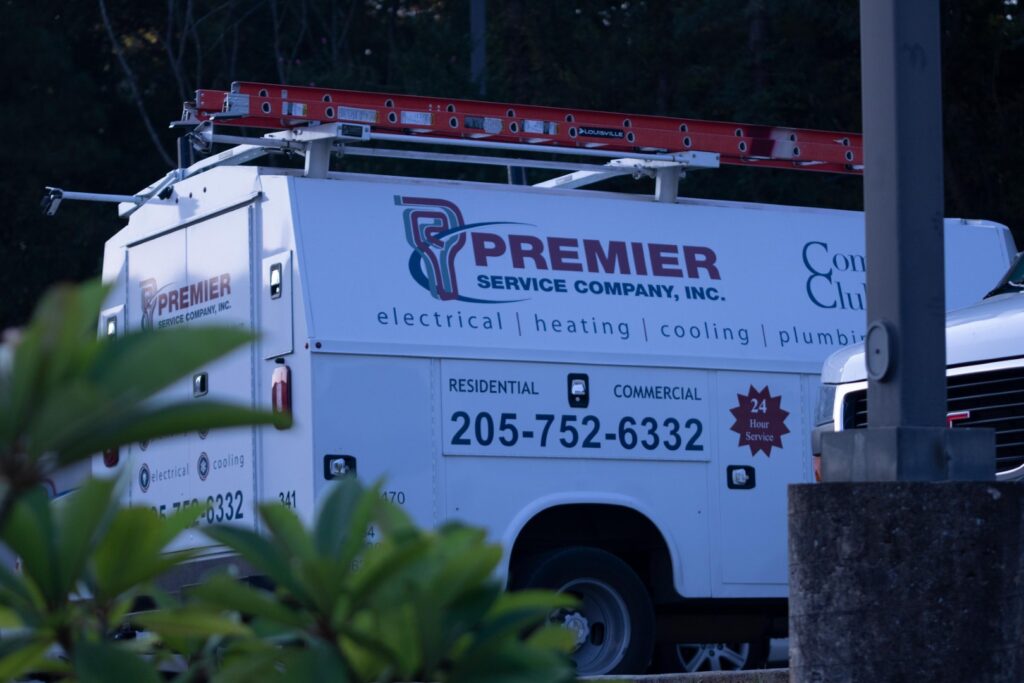
That’s where a multi-trade company helps. Premier Service Company handles electrical, HVAC, plumbing, and remodeling with its own in-house team. If the inspection report lists more than the panel, one call can cover the whole list.
What Will This Cost, and Who Pays?
Let’s talk money, because a surprise bill during a move is the last thing you need.
A standard panel replacement often runs somewhere between $1,500 and $4,000, depending on the size of the panel, the brand, local permit fees, and how much extra work the job needs. A full service upgrade to 200 amps usually costs more, sometimes $2,500 to $6,000 or higher if the meter base or service line needs work.
Those are broad ranges. Your price depends on your house. That’s why a written, upfront quote matters so much when you’re on a deadline. You can’t negotiate with a number you don’t have.
Buyers and Sellers: Your Options
Here’s where buyers and sellers usually land. The seller can fix the panel before closing. The seller can give the buyer a credit at closing. Or the two sides can agree to a lower sale price.
Each choice has tradeoffs. A seller who handles the repair controls the cost and the contractor. A buyer who takes a credit picks their own electrician but may have trouble getting insurance until the work is done.
Some loan types add another wrinkle. FHA and VA appraisers may call out safety issues that have to be fixed before the loan can close. Ask your lender early whether the panel has to be replaced before closing or whether a credit will work.
Look, the fastest path is usually a seller-completed repair with a finished permit. It gives everyone the paperwork they need and takes the question off the table.
The Paperwork That Saves Your Closing
Most articles skip this part. It’s often what decides whether your closing happens on time.
Replacing the panel isn’t enough by itself. The lender, underwriter, and insurer all want proof. Without it, the work might as well not have happened.
Make sure you get a few things in hand. You need a paid invoice that names the new panel’s brand and amp rating. You need the permit number and proof of the final inspection. Clear photos of the new panel, with the cover off and on, help too.
Send copies to your agent, your lender, and your insurance agent the same day. Don’t wait for them to ask. A clean, complete file shows everyone the problem is solved.
Here’s a detail many people miss. If the seller is doing the work, the buyer should ask for these documents before the final walkthrough. A shiny new panel with no permit on record can come back to bite you at resale.
How to Pick an Electrician When the Clock Is Ticking
When time is short, it’s tempting to hire whoever answers the phone first. Resist that just a little.
Start by checking for a valid state electrical license. In Alabama, electrical contractors are licensed through the state, and permit offices generally won’t issue panel permits to anyone else. Ask whether the company pulls its own permits. If they suggest skipping the permit to save time, walk away. An unpermitted panel can cause bigger problems than the one you started with.
Next, ask how soon they can come out and whether the quote is a flat price. Flat-rate pricing means the number you see is the number you pay. That matters when you’re already stretched thin.
Then look at reviews. A long track record with lots of recent reviews tells you more than any ad.
Premier Service Company has served West Alabama homeowners for over 30 years. It holds a 4.8-star rating across more than 1,200 reviews and uses upfront, flat-rate pricing. Financing is also available, which can help if a seller needs to fix a panel before cash from the sale arrives. For buyers moving into an older home, the Comfort Club+ membership keeps the electrical, heating, cooling, and plumbing systems on a regular checkup schedule, so the next inspection holds fewer surprises.
Frequently Asked Questions
Can I close on a house with a Federal Pacific or Zinsco panel?
Sometimes, but it’s risky. Many insurers won’t cover homes with these panels, and without insurance your lender won’t fund the loan. Most buyers and sellers find it faster to replace the panel before closing than to shop for an insurer that will accept it.
How long does electrical panel replacement take?
The install itself often takes one day. Permits, utility coordination, and the final inspection add time, so plan on several days to two weeks for the full process. Service upgrades that need the power company may take longer.
Should the buyer or seller pay for a flagged panel?
It’s negotiable. Sellers often handle the repair so the deal closes cleanly, while buyers sometimes prefer a credit so they can choose the contractor. Check with your lender first, since some loan types require the fix to be finished before closing.
Is a panel upgrade worth it if I’m selling anyway?
Often, yes. A flagged panel gives buyers leverage to ask for a big price cut or walk away. A permitted replacement with clean paperwork takes that objection off the table and can help protect your sale price.
From Panic to Keys in Hand
Let’s recap. A flagged panel is common, and it doesn’t have to wreck your closing. Some flags need only a quick repair. Others, like FPE and Zinsco panels, usually call for a full electrical panel replacement.
Time is your biggest risk, so act the day the report arrives. Get a firm, flat-rate quote. Make sure the work is permitted and inspected. Then send the paperwork to your lender and insurer before anyone asks.
You don’t have to figure this out alone. When the deadline is close and the list is long, Premier Service Company can take one call and handle the panel plus the rest of the inspection report. Schedule your electrical panel evaluation today and get back to planning your move.