 Based on 1200+ Reviews!
The 2 A.M. Call Every Property Manager Dreads
The tenant in Unit 4B is on the phone. Water is coming up through the floor drain, and it isn’t clean water.
Sound familiar?
If you manage rental properties, you’ve probably had that call or you’re worried about getting it. Sewer problems don’t wait for a good time. They show up on holiday weekends, during move-ins, and right after you’ve closed out the maintenance budget.
Here’s the thing: most sewer line emergencies aren’t surprises. They build up for months, sometimes for years. But when you’re handling dozens of units, a full compliance and inspection audit rarely makes it to the top of your list. You don’t have the time or the staff for it.
In this article, you’ll learn how sewer line repair fits into a planned maintenance contract, which warning signs to watch for, what the main repair methods cost, and how to stay on top of code requirements without adding hours to your week.
Why Sewer Lines Fall Through the Cracks
Let’s be honest. Nobody wakes up excited to think about pipes buried under a parking lot.
Sewer lines are out of sight, so they’re easy to forget. Your team focuses on what tenants can see and complain about, like HVAC, appliances, and leaky faucets. The sewer line only gets attention once it fails.
The Audit Nobody Has Time For
A proper sewer line check means camera inspections, reviewing past repair records, checking local code rules, and writing down what you find for every property you manage. For one building, that’s doable. For a portfolio of 15 or 50 properties? It can feel like a second full-time job.
It’s frustrating when you know something should be done but the day keeps filling up with urgent tasks. So the audit gets pushed to next quarter. Then the one after that.
What Delay Really Costs
Look, putting off an inspection doesn’t save money. It just moves the bill to a worse moment.
A small root intrusion found early might need a quick cleaning. Left alone, those roots can crack the pipe, cause a backup, and damage flooring, drywall, and tenant belongings. Now you’re looking at a bigger repair, a possible insurance claim, and an angry resident who may not renew their lease.
Warning Signs Your Property Needs Sewer Line Repair
You don’t need to be a plumber to spot trouble early. You just need to know what to listen for when tenants call.
The Quiet Clues
Slow drains in more than one unit are a big red flag. One slow sink usually means a local clog. Several slow drains on the same line point to a problem further down, in the main sewer line.
Gurgling toilets, sewage smells near the building, and soggy patches in the lawn are also worth a closer look. So are lush, extra-green strips of grass. Leaking sewage acts like fertilizer.
The Loud Clues
Backups, sinkholes, and foundation cracks are the loud signs. By the time you see these, the damage has usually spread.
Want to know the secret? Track your work orders. If the same building keeps calling in drain problems, the pattern tells you more than any single complaint. Repeat clogs are often the first real sign that the line itself is failing.
Your Sewer Line Repair Options Compared
Not every sewer problem needs a backhoe and a torn-up parking lot. Modern methods give you choices, and the right one depends on the pipe’s condition, its location, and your budget.
The table below compares the most common approaches. Costs are typical national ranges and change based on pipe depth, length, access, and local permit fees, so treat them as a starting point, not a quote.
| Repair Method | Best For | Typical Cost Range | Disruption to Tenants | Expected Lifespan |
| Camera inspection | Finding the problem before you fix it | $250–$1,000 | Very low | N/A (diagnostic) |
| Hydro jetting | Grease buildup, light roots | $350–$1,000 | Low | Short-term fix; repeat as needed |
| Spot repair | One cracked or broken section | $1,000–$4,000 | Moderate | Depends on the rest of the line |
| Trenchless pipe lining | Cracks and leaks along a longer run | $80–$250 per foot | Low | Often 50 years |
| Pipe bursting | Badly damaged pipe needing replacement | $60–$200 per foot | Low to moderate | 50+ years |
| Traditional excavation | Collapsed lines or poor access for trenchless | $3,000–$25,000+ | High | 50+ years |
When Trenchless Makes Sense
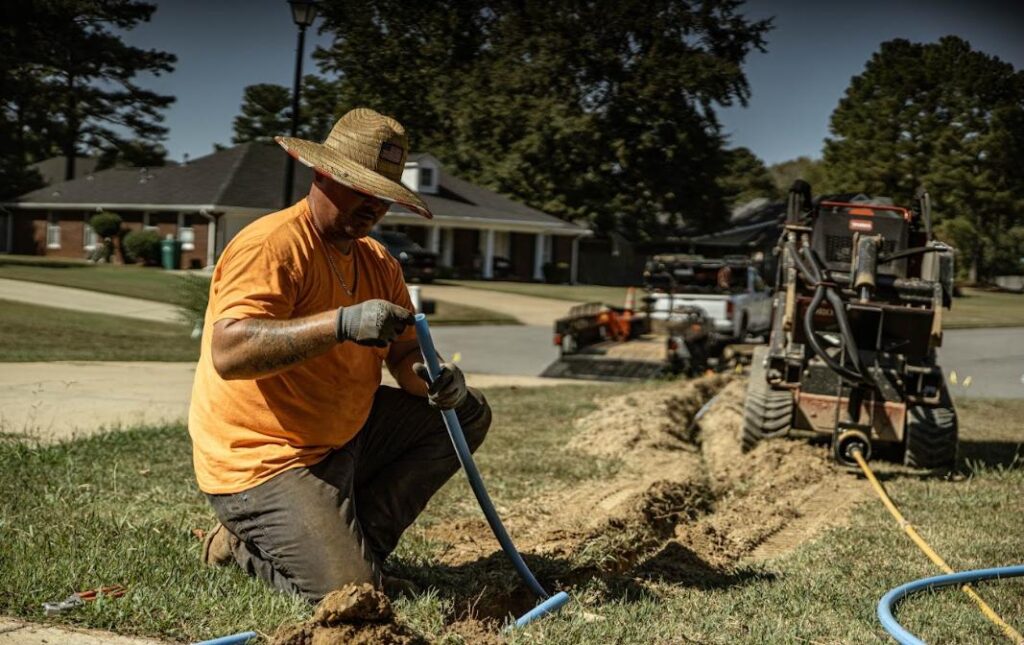
For property managers, trenchless repair is often a relief. Crews usually need only one or two small access points, so your parking lot, landscaping, and tenant routines stay mostly intact.
This doesn’t work if the pipe has fully collapsed or has major sags (called “bellies”). In those cases, digging may be the only real fix. A camera inspection tells you which situation you’re in before anyone picks up a shovel.
When Excavation Is the Better Call
The exception is older properties with clay or cast-iron pipes that are breaking apart in many places. Lining a pipe that’s already crumbling can cost more over time than replacing it once. A good contractor will tell you that plainly, even when the bigger job is harder to hear.
How Predictable Maintenance Contracts Take the Guesswork Out
Here’s what matters most to property managers: you can’t budget for chaos. But you can budget for a plan.
A planned maintenance contract turns sewer care from a surprise expense into a line item you can see coming. You know when inspections happen, what they cost, and what gets documented.
What a Solid Contract Should Include
A strong sewer maintenance agreement usually covers scheduled camera inspections, routine drain cleaning for high-use buildings, written condition reports for each property, and priority emergency response.
That last piece matters more than people think. When a backup hits, being a contract customer can mean you’re at the front of the line instead of waiting behind everyone else who called that morning.
Turning Inspections Into Compliance Records
This is where the audit problem starts to shrink. Every scheduled inspection produces a record: video footage, notes, and repair recommendations with dates attached.
Over time, those records become your compliance file. If a city inspector, insurance adjuster, or property owner asks what you’ve done to maintain the sewer system, you have proof ready. No scrambling. No digging through old invoices.
Some cities and counties have rules about private sewer laterals, grease traps, or inspections when a property is sold or refinanced. Requirements vary a lot, so check with your local building or utilities department. A contractor who works in your area every day can usually help you figure out what applies to your buildings.
One Vendor, Fewer Headaches
Think about how many contractors you juggle right now. One for plumbing. Another for HVAC. A third for electrical. Each has its own scheduling system, billing process, and level of reliability.
Premier Service Company handles plumbing, heating and cooling, and electrical work with its own in-house team. For a property manager, that means one account, one point of contact, and one standard of work across your portfolio. When a sewer repair turns up an electrical issue in a basement, you don’t have to start the vendor hunt all over again.
What Experience Brings to Sewer Line Repair
Anyone can own a drain snake. Knowing what you’re looking at on a camera screen takes years.
An experienced technician can tell the difference between a small root intrusion and a pipe that’s about to fail. They know which neighborhoods have older clay pipe and which buildings sit on shifting soil. That local knowledge helps them recommend the right fix the first time, not the most expensive one.
Premier Service Company has served West Alabama since 1992, with a large in-house team of trained technicians and a strong record of customer reviews. That long history means they’ve seen how local pipes age, how local soil behaves, and which repairs actually hold up.
Why Upfront Pricing Matters to Your Budget
Nothing throws off a maintenance budget like a bill that’s double the estimate.
Flat-rate, upfront pricing means you approve the cost before work begins. For property managers reporting to owners or boards, that predictability is huge. You can explain the expense, get sign-off, and move forward without any awkward follow-up conversations.
Building a Simple Sewer Care Plan (Without Losing Your Week)
You don’t need to overhaul everything at once. Start small and build from there.
First, rank your properties by risk. Older buildings, properties with big trees near the sewer line, and buildings with repeat drain calls go to the top of the list. Schedule camera inspections for those first.
Next, set a cleaning schedule based on use. A busy apartment complex with lots of kitchens needs more frequent attention than a small office building. Your contractor can suggest a schedule based on what the camera shows.
Finally, keep every report in one place. A shared folder for each property works fine. The goal is simple: when someone asks, you can answer in minutes, not days.
Feeling a little overwhelmed? That’s normal. The good news is that once the plan is set, it mostly runs itself.
Frequently Asked Questions
How often should a rental property’s sewer line be inspected?
For most multi-unit properties, a camera inspection every one to two years is a smart baseline. Buildings with older clay or cast-iron pipes, large nearby trees, or repeat backups may need yearly checks. Properties with restaurants or shared kitchens often need more frequent cleaning because of grease buildup.
Who pays for sewer line repair, the property owner or the city?
It depends on where the damage is. In most areas, the owner is responsible for the private lateral line running from the building to the city’s main, and the city handles the main line. Where that boundary sits varies by city, so check local rules before work begins.
Can sewer line repair happen while tenants are still living in the units?
Usually, yes. Trenchless methods often let tenants stay put, with water use limited for a few hours during the work. Full excavation may cause more disruption, and good contractors will help you plan tenant notices and timing to keep things smooth.
Is trenchless sewer line repair always cheaper?
Not always. Trenchless work can cost more per foot than digging, but it often saves money overall because you avoid repaving, relandscaping, and long disruptions. For shallow, easy-to-reach pipes, traditional excavation can sometimes be the cheaper choice.
Stop Reacting and Start Planning
Sewer problems will always be part of managing property. But they don’t have to be emergencies.
Here’s the takeaway. Watch for repeat drain complaints. Use camera inspections to find problems early. Choose the repair method that fits the pipe’s actual condition. And put it all into a predictable maintenance contract that builds your compliance records as you go.
You’ll spend less time putting out fires and more time running your properties. That’s a relief worth planning for.
Ready to take sewer surprises off your plate? Reach out to Premier Service Company to talk about a maintenance plan built around your portfolio. One call can cover plumbing, HVAC, and electrical across all your properties.