 Based on 1200+ Reviews!
Your air conditioning unit just made a weird noise again. Great. Just what you needed on a 95-degree Alabama afternoon.
Here’s the thing: if your unit is pushing 15 years old, that noise probably isn’t a one-time fluke. It’s a warning. And you’re not alone in wondering what to do about it.
Homeowners across Tuscaloosa deal with this exact moment every single summer. The AC starts acting up, the energy bill creeps higher, and suddenly you’re stuck choosing between “just one more repair” and “maybe it’s time for something new.”
This guide walks you through exactly how to make that call. You’ll learn the signs that your unit is failing, whether a 15-year-old AC is even worth saving in Alabama’s brutal heat, and, yes, the cheapest time of year to actually replace it. No fluff. Just the facts you need to decide with confidence.
Signs Your Air Conditioning Is on Its Way Out
Old AC units don’t usually die all at once. They fade out slowly, dropping hints along the way. Here’s what to watch for, piece by piece.
Refrigerant Leaks: The Quiet Budget-Killer
If your unit blows warm air, or the airflow feels weaker than it used to, low refrigerant might be the culprit. You may also notice a hissing sound near the copper lines, or ice building up on the outdoor unit even in summer heat.
Refrigerant leaks matter for a reason most articles skip over: your system isn’t designed to “use up” refrigerant like fuel. If it’s low, there’s a leak somewhere in the lines. Topping it off without fixing the leak is like bailing water out of a boat with a hole in it. It’ll work for a little while. Then you’re right back where you started, and you’ve paid twice.
A Failing Capacitor: Small Part, Big Problem
The capacitor is a small component that gives your compressor and fan motor the jolt they need to start up. When it fails, you’ll usually hear a humming sound from the outdoor unit that never actually kicks on. Sometimes the fan spins slowly, like it’s struggling. Sometimes it just clicks and does nothing at all.
A bad capacitor is one of the cheaper fixes on this list. But if it’s failing on a unit that’s already 12 to 15 years old, ask yourself this: is it worth putting a new part on an old system that’s already stretched thin? Sound familiar? That’s the exact question we help homeowners answer every day.
Compressor Trouble: The Expensive One
The compressor is the heart of your whole system. When it starts failing, you’ll notice the AC running constantly without ever really cooling the house. You might hear loud banging or rattling from the outdoor unit. In worse cases, the compressor won’t start at all.
Here’s what matters: compressor replacement is one of the most expensive repairs you can make on an AC system, often rivaling the cost of a whole new unit. If your system is already old, spending that kind of money on a 15-year-old unit rarely makes financial sense.
Tripping Breakers: Don’t Ignore This One
If your AC keeps tripping the breaker, that’s not a “reset it and move on” situation. It usually means the system is pulling too much electrical current, which can point to a failing compressor, a dying capacitor, or dirty coils forcing the unit to work overtime.
A breaker that trips occasionally is annoying. A breaker that trips often is a safety issue. Electrical problems in an HVAC system can create real fire risk if left alone. This is a call-a-technician situation, not a DIY one.
What You Can Safely Check Yourself
Before you call anyone, there are a few easy things worth checking. Replace your air filter if it’s dirty or clogged, as this alone solves a surprising number of “weak airflow” complaints. Clear any leaves, grass, or debris from around the outdoor unit. Check that your thermostat has fresh batteries and is actually set to “cool.”
Beyond that? Leave it to a licensed technician. Refrigerant handling, electrical diagnostics, and compressor work all require EPA certification and specialized tools most homeowners simply don’t have.
Is It Worth Replacing a 15-Year-Old AC Unit in Alabama?
Let’s answer this one directly, because it’s the question keeping a lot of Tuscaloosa homeowners up at night.
Most AC units are built to last 12 to 17 years, and Alabama’s long, humid cooling season pushes systems toward the shorter end of that range. Your unit runs harder and longer here than it would in a milder climate. That extra strain adds up.
By year 15, most systems have lost a meaningful chunk of their original efficiency. You might feel frustrated watching your energy bill climb even though you haven’t changed your habits at all. That’s not your imagination. An aging compressor and worn-out components may be working overtime to do what a newer unit could handle with ease.
Here’s a simple rule technicians often use in the field: if a repair costs more than 50% of what a full replacement would cost and your unit is over 10 years old, replacement is usually the smarter move. A $1,200 compressor repair on a 15-year-old unit isn’t necessarily a good investment. You could be putting significant money into a system that’s likely to need additional repairs in the near future.
There’s also the efficiency math to consider. Older units often run on outdated refrigerant types and lower SEER (efficiency) ratings. A modern air conditioning system can cut cooling costs noticeably, which matters a lot when you’re running your AC nearly nonstop from May through September.
The exception? If your unit is well-maintained, still under 10 years old, and the repair is minor and cheap, fixing it usually makes more sense than replacing it. Age alone isn’t a death sentence. But age plus a big repair bill? That’s your signal.
Cheapest Time of Year to Replace an AC Unit in Tuscaloosa
Want to know the secret most homeowners never think about? Timing your replacement can save you real money.
HVAC companies see demand spike hard in June, July, and August, right when everyone’s AC decides to quit at the worst possible moment. That demand surge often means longer wait times and less room to negotiate on pricing.
Fall and early winter, typically October through February, tend to be the slower season for AC installation in West Alabama. Contractors often have more availability, which can make scheduling easier and may provide opportunities to take advantage of off-season promotions. You also won’t be stuck sweating it out while you wait for a new system since you’re not trying to survive without cooling in the middle of a summer heat wave.
Spring, especially March and early April, is a solid middle ground. It’s before the summer rush but close enough that a new system will be fully broken in and ready before the heat arrives.
| Season | Demand Level | Typical Wait Time | Good For |
| Summer (Jun–Aug) | Highest | Longest | Emergency replacements only |
| Fall (Sep–Nov) | Low | Short | Best value and availability |
| Winter (Dec–Feb) | Lowest | Shortest | Planned upgrades, off-season deals |
| Spring (Mar–May) | Moderate | Moderate | Getting ahead of summer heat |
The takeaway here isn’t complicated. If your AC is limping along but still technically working, don’t wait until it fully dies in July. Planning a fall or winter replacement puts you in the driver’s seat instead of scrambling in a panic during a heat wave.
What a Replacement Actually Costs — and Why Financing Changes the Math
Replacing a full AC system is a real investment, and pretending otherwise wouldn’t be honest. But here’s what a lot of homeowners don’t realize: a new system isn’t just an expense. It’s a reduction in your monthly energy bill, month after month, for years to come.
It’s frustrating to think about a big upfront cost, especially if money’s already tight. That’s exactly why flexible financing options exist. They can help spread the cost out over time instead of forcing you to choose between staying comfortable and sticking to your budget.
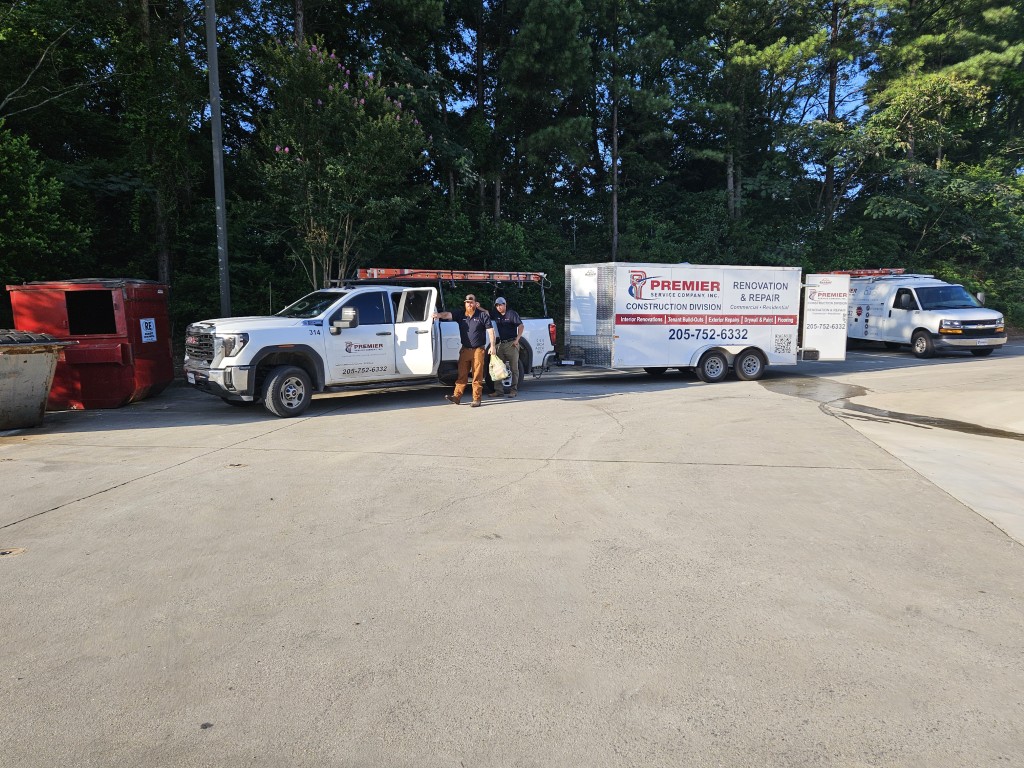
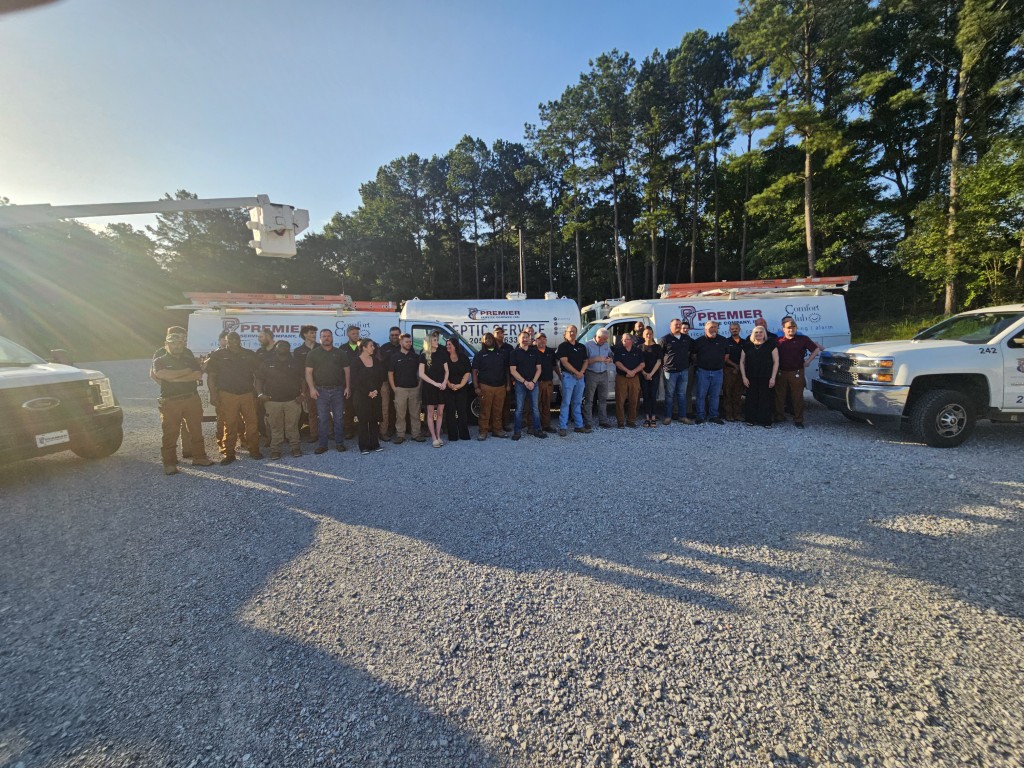
And because Premier Service Company has served West Alabama since 1992, our technicians understand exactly how local humidity, pollen, and heat can affect the lifespan of HVAC equipment. Our recommendations are based on decades of experience serving homes throughout Tuscaloosa, Northport, Coker, and the surrounding communities, not simply on generic national guidelines.
Frequently Asked Questions
How long should a central air conditioning unit last in Alabama? Most units last 12 to 17 years nationally, but Alabama’s long cooling season and high humidity tend to push local systems toward the shorter end of that range.
Should I repair or replace my AC if it’s still cooling okay? If the unit is under 10 years old and the repair is minor, repairing usually makes sense. If it’s over 12 years old and facing a major repair like a compressor, replacement is typically the better value.
Does a bigger AC unit cool a house faster? Not necessarily. An oversized unit can actually cause it to cycle on and off too quickly, which wastes energy and leaves humidity poorly controlled. Correct sizing based on your home’s square footage matters more than raw power.
Can I finance a new air conditioning system? Yes. Premier Service Company offers financing options designed to make full system replacements manageable, so you’re not forced to choose between comfort and cash flow.
The Bottom Line on Replacing Your Aging AC
Look, nobody wants to spend money on a new air conditioning system. But when an older unit starts showing warning signs like leaks, a failing capacitor, breaker trips, or compressor strain, it may be telling you something important. Paying attention to those signs now could help you avoid a much more inconvenient breakdown later, especially during the hottest weeks of the year.
If your system is over 12 years old and facing a costly repair, replacement is usually the smarter financial move. And if you can plan ahead, fall and winter installation timing can save you money and stress compared to a July emergency call.
You don’t have to figure this out alone. If you’re weighing repair versus replacement or just want an honest assessment of your system’s condition, reach out to Premier Service Company for a straightforward evaluation. There’s no pressure, just clear answers and recommendations you can trust.